
Yes. Most color trends age far faster than homeowners expect. And I don’t mean the paint fails. I mean the feeling fails.
I’ve spent years inside real homes doing interior painting, not styling showrooms or staging photo shoots. I’ve watched excitement turn into quiet regret. The 2026 debate around Cloud Dancer proves exactly why color trends are risky when they’re mistaken for timeless design.
Cloud Dancer, the Pantone 2026 color of the year, was introduced as a calm, inclusive off-white. In practice, it triggered backlash for feeling flat, sterile, and overly tied to recession-era minimalism. That reaction didn’t surprise painters. We see it coming long before homeowners do.
This is the truth most paint companies won’t say out loud: color trends are shaped by culture, economics, and emotion—not longevity. When those forces change, the color suddenly feels wrong.
Key Takeaways
-
Color trends are driven by cultural mood, not durability
-
Neutral trend colors often age faster than intentional mid-tones
-
The Cloud Dancer off-white backlash proves perception matters
-
Minimalist palettes often signal economic fear, not timelessness
-
Trend fatigue leads to earlier repainting costs
-
Alternative forecasts like Transformative Teal suggest longer emotional lifespan
-
Smart interior painting choices balance trends with permanence
How Color Trends Are Actually Created (Not How Most Homeowners Think)
Trend Forecasting Is Cultural, Not Practical
When people hear “Color of the Year,” they imagine labs testing durability. That’s not what happens.
Pantone and WGSN Coloro forecast color trends by analyzing social behavior, political tension, climate anxiety, and economic pressure. These colors are cultural symbols first. Paint performance comes later.
That’s why the Pantone 2026 Color of the Year announcement made headlines but also raised eyebrows. It wasn’t chosen because it performs beautifully on walls long-term. It was chosen because it reflected a moment.
You can view Pantone’s official reasoning here:
2026 Color of the Year
The Time-Lag Problem No One Talks About
Here’s another issue with color trends: timing.
Colors are selected 18–24 months before they ever reach homeowners. By the time Cloud Dancer hit interiors, the emotional climate had already shifted. What felt calming on paper felt disengaged on walls.
By the time most people repaint, the trend is already peaking—or declining.
Why Paint Brands Push Trend Colors Hard
Trend colors sell emotion. Fear of missing out. The promise of being “current.”
From an industry perspective, faster-aging color trends mean shorter repaint cycles. That’s good for sales. It’s not always good for homeowners investing in interior painting they expect to last.
Reason #1: Color Trends Are Anchored to Cultural Moments That Expire

Cloud Dancer and Cultural Over-Correction
After years of instability, designers pushed ultra-soft palettes. Calm. Quiet. Minimal.
Cloud Dancer fits that perfectly. But extreme calm can read as emotional withdrawal. Instead of warmth, many spaces felt hollow.
That’s the risk with color trends tied too tightly to collective mood.
When a Color Becomes a Symbol
Colors don’t live in a vacuum. The Cloud Dancer off-white backlash wasn’t about pigment—it was about meaning.
People began associating ultra-white minimalism with exclusion, erasure, and emotional distance. Once that association forms, the color ages overnight.
This is why color trends can collapse fast. Perception matters more than intent.
Reason #2: Minimalism Is a Proven Recession Indicator—and Ages Fast
A Historical Pattern Painters Know Well
During economic fear, whites and off-whites dominate color trends. It looks safe. Controlled. Neutral.
But safety isn’t the same as longevity.
When confidence returns, those colors feel pessimistic. Empty. That’s when homeowners call us back.
Cloud Dancer as a Case Study
In real interior painting projects, Cloud Dancer struggles with lighting shifts. It lacks adaptability. It doesn’t evolve with furniture, wood tones, or décor changes.
It feels emotionally flat in lived-in spaces. That’s why it doesn’t age gracefully.
Reason #3: Trend Neutrals Are More Fragile Than People Realize

The Myth of “Safe” Off-Whites
Homeowners assume off-whites are timeless. In reality, trend-driven off-whites are among the most fragile color trends.
Undertones show up over time. Warm bulbs expose yellow. Cool LEDs expose gray or green.
Maintenance Tells the Truth
Off-whites show scuffs, shadows, and wear faster. In high-traffic interior painting areas, repaint frequency increases dramatically.
This answers a common question: how often should you repaint because of trends?
Often every 3–5 years instead of 8–10.
Reason #4: Social Media Accelerates Trend Burnout
Overexposure Is the New Enemy
Instagram and Pinterest compress trend lifespans. When everyone uses the same color trends, they feel dated faster.
Cloud Dancer looks identical across homes. Sameness speeds up regret.
The Five-Year Problem
What once aged in ten years now ages in five. Sometimes less.
That’s the social media tax attached to color trends.
Reason #5: Trend Colors Ignore Architectural Context
One Color Cannot Fit Every Home
I’ve seen Cloud Dancer fight against heritage woodwork, stone fireplaces, and warm trim. Color trends don’t adapt. Architecture demands they do.
This matters even more in regions like Branson, MO, where natural materials dominate interiors.
A Note on Cabinets
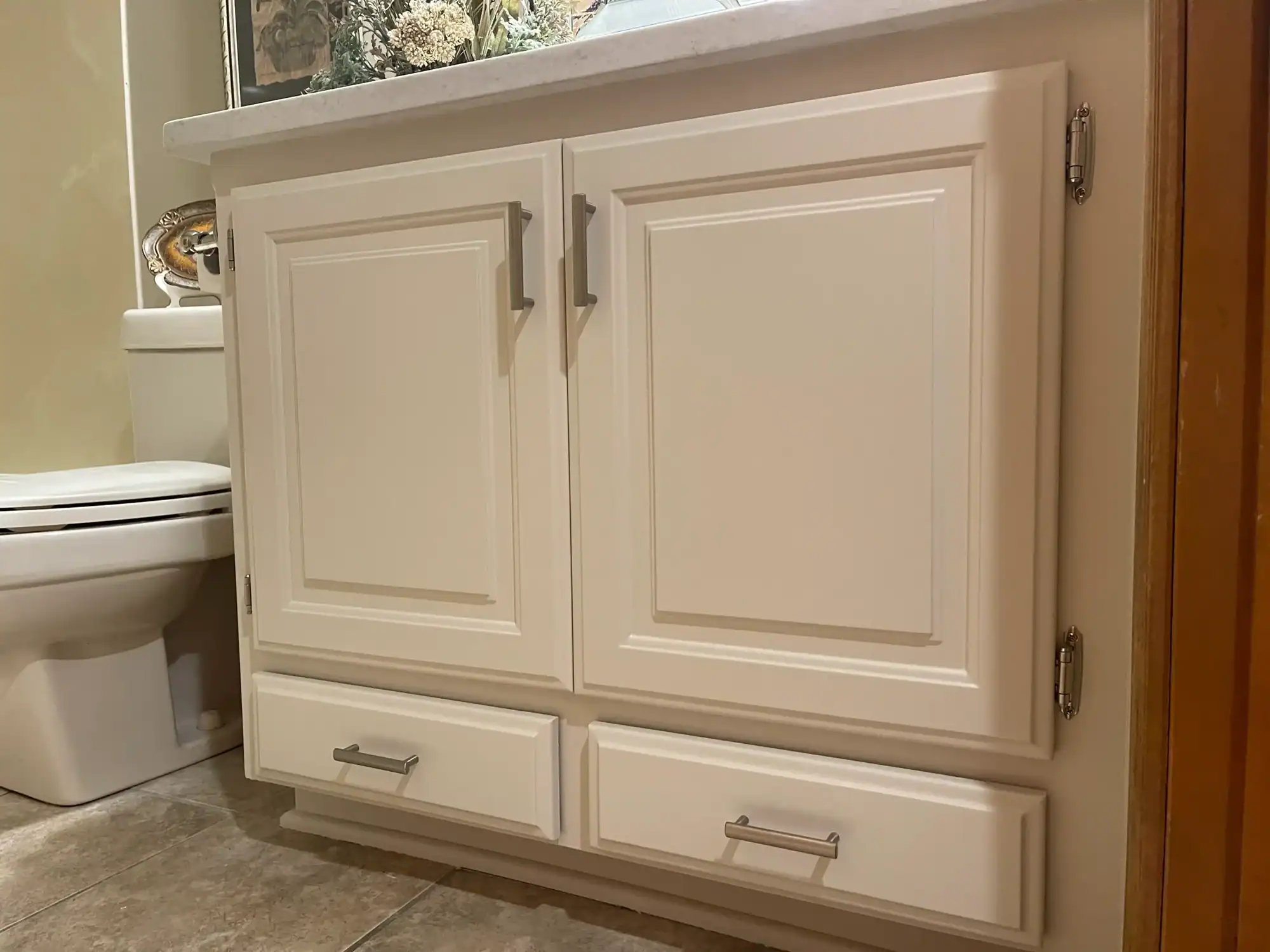
We see the same regret cycle with cabinets. Trend whites are among the most repainted finishes after a poorly planned cabinet respray.
Reason #6: Trend Forecasts Are No Longer Aligned
Pantone vs WGSN Coloro
Pantone chose Cloud Dancer. WGSN Coloro introduced Transformative Teal, a 2026 color trend focused on adaptability and resilience.
This split matters. Conflicting color trends increase homeowner risk.
Why Transformative Teal Has More Staying Power
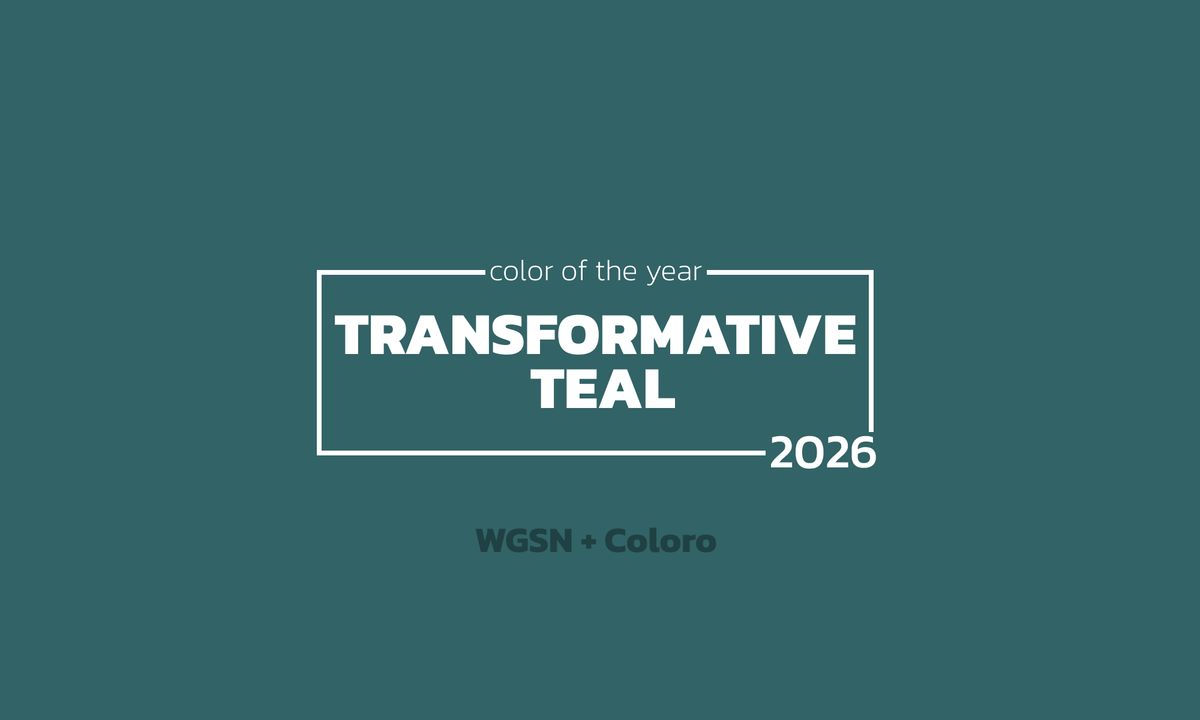
Transformative Teal offers emotional depth. It adapts. It hides wear. It evolves.
That’s why painters see richer mid-tones outlasting sterile neutrals.
Reason #7: Trend Fatigue Leads to Premature Repainting Costs
The Hidden Financial Reality
Trend fatigue is one of the biggest hidden costs in interior painting. Repainting early means more prep, more disruption, more expense.
And most homeowners don’t connect the dots back to color trends.
What Painters Repaint Most Often
Trend whites. Cool grays. Hyper-minimal palettes.
That’s not opinion. That’s pattern recognition from years of work.
How to Choose Colors That Outlast Trends
Trend-Aware, Not Trend-Dependent
Use color trends as accents, not foundations. Feature walls. Secondary rooms. Never the entire home without context.
Timeless Principles That Still Work
Balanced undertones. Mid-range LRV. Compatibility with permanent finishes.
These matter more than what’s “of the year.”
When Trend Colors Actually Make Sense
Short-term spaces. Retail refreshes. Staging.
Not long-term interior painting meant to last a decade.
What Cloud Dancer Teaches Us About Color Trends
Cloud Dancer didn’t fail because it was neutral.
It failed because it tried to be timeless while being deeply tied to a fragile cultural moment.
That’s the real lesson behind color trends.
At Pro Painting & More, we help homeowners make interior painting decisions that still feel right years later—not just current today.
Understand trends. Respect them.
But don’t let them dictate your walls.